
BACKGROUND
BRAND GUIDELINE SYSTEM DESIGN
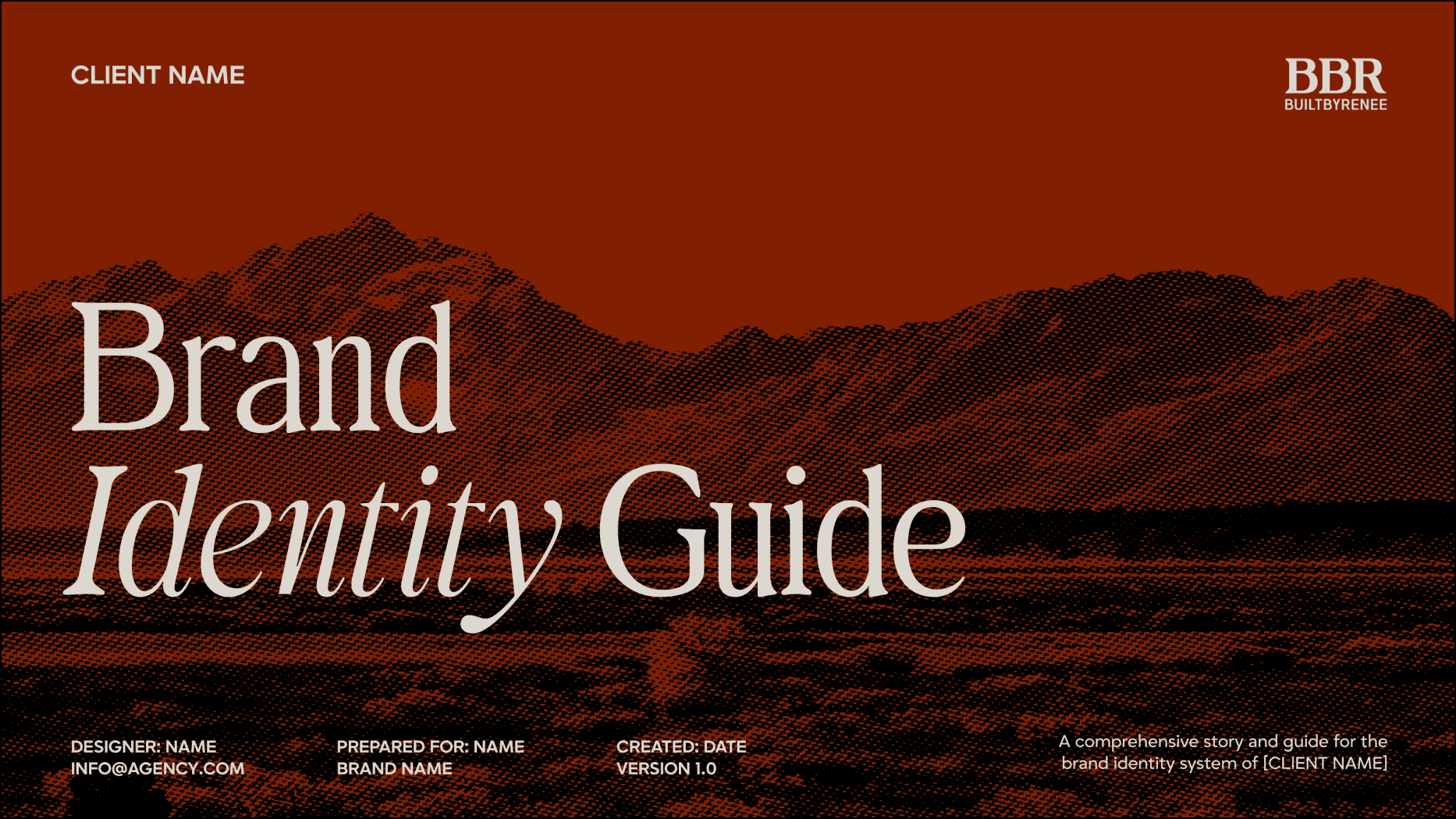
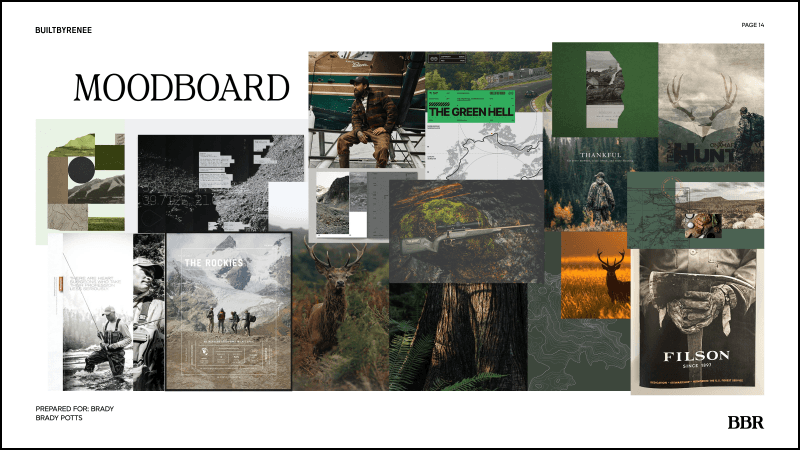
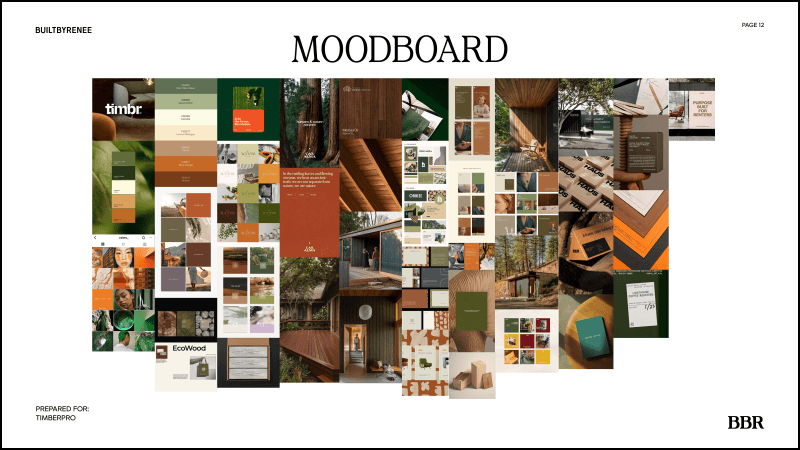
I designed a flexible brand guideline template for BuiltByRenee that has been applied across four distinct clients, enabling consistent brand expression through real-world applications. The system defines clear rules for visual and verbal identity while remaining adaptable to different brand personalities and business needs.
**Because this guideline template was created for a design firm and for clients who may not be ready to share their branding publicly, the full brand guides are not included in this portfolio. However, I’m happy to walk through the complete system, decision-making process, and client applications if needed.
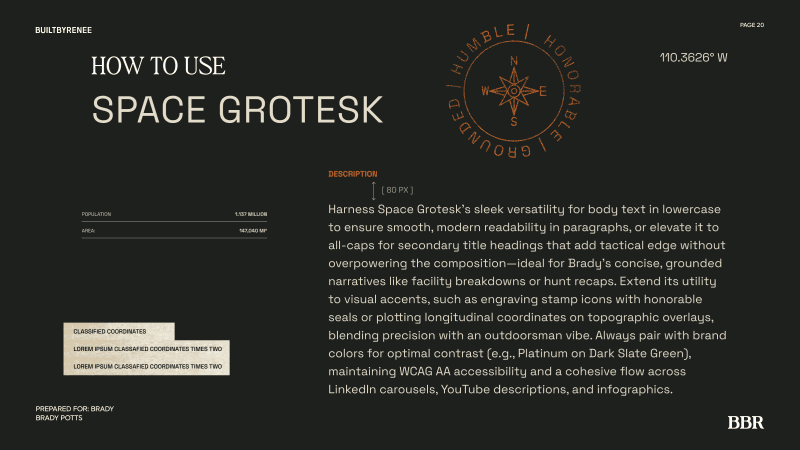
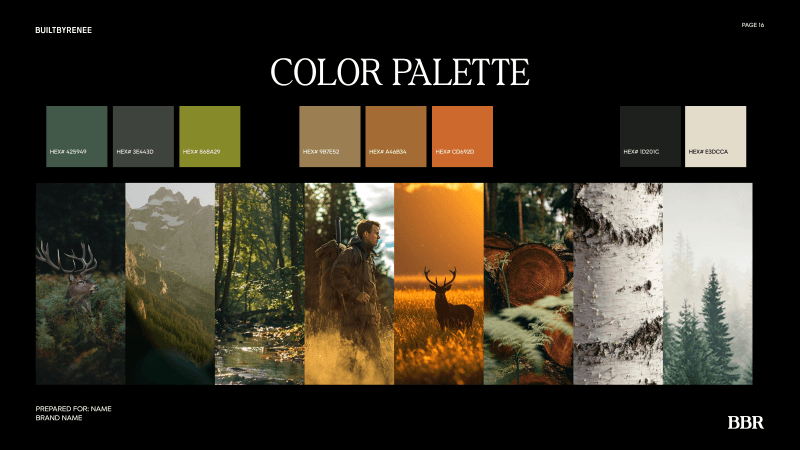
Built as a foundational tool rather than a one-off deliverable, the template serves as both a strategic reference and a practical day-to-day guide. It defines clear standards for logos, typography, color palettes, and tone of voice, making the brand easy to understand and apply across teams.
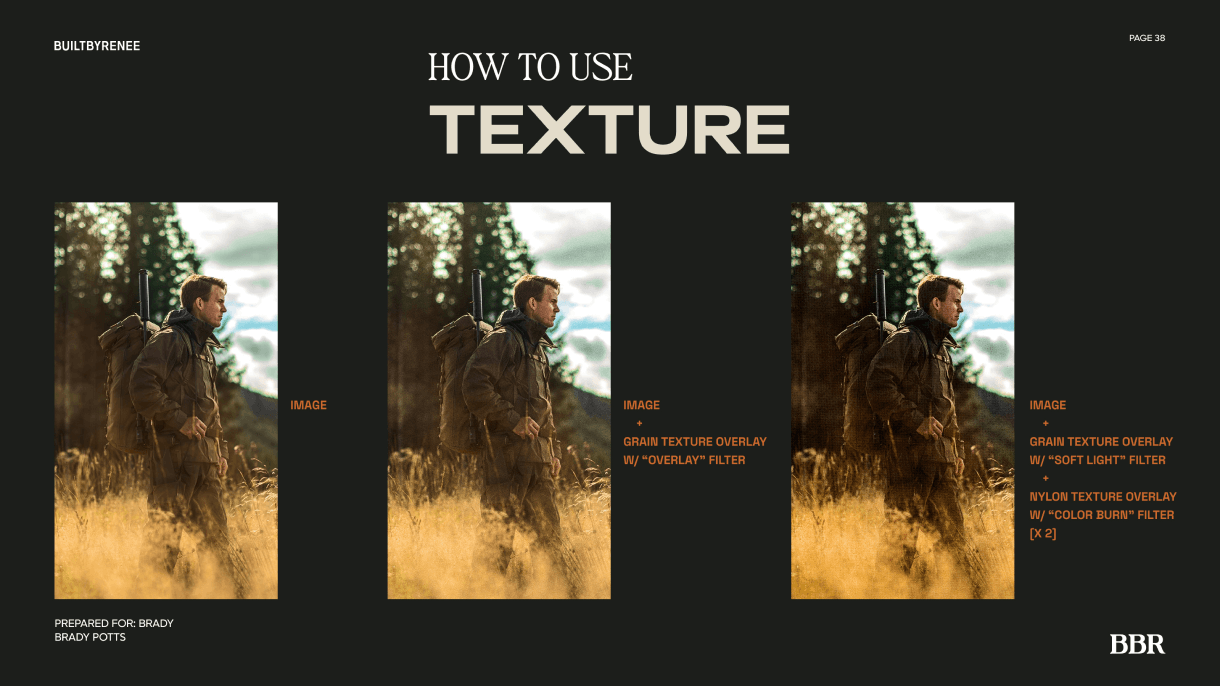
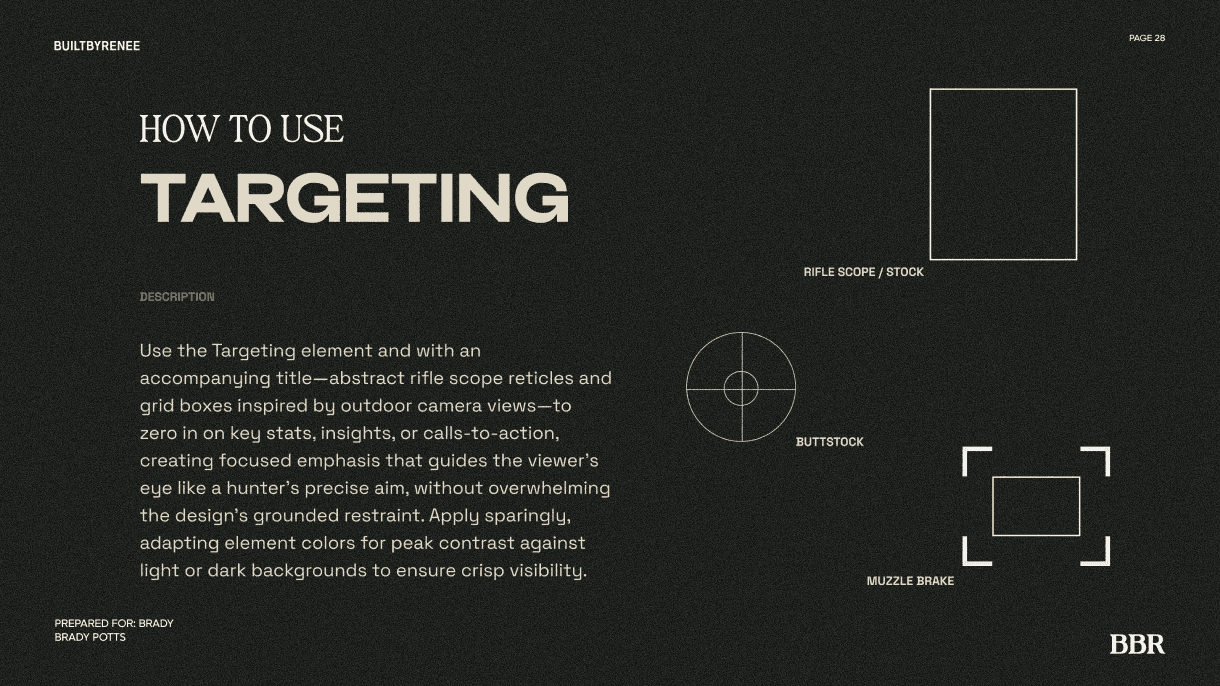
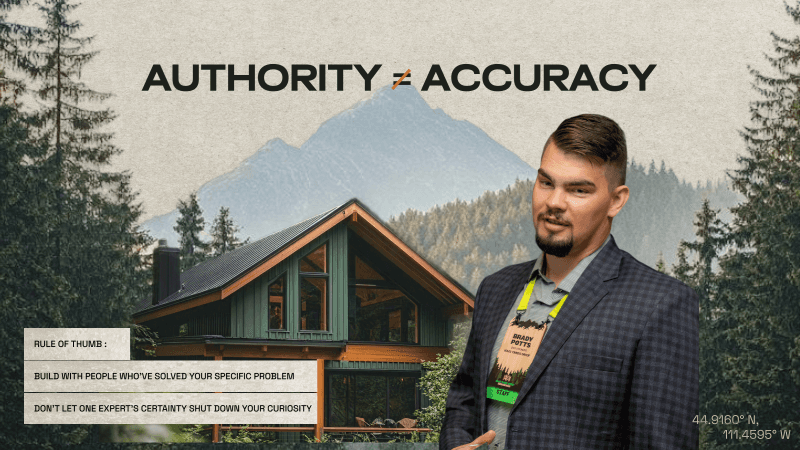
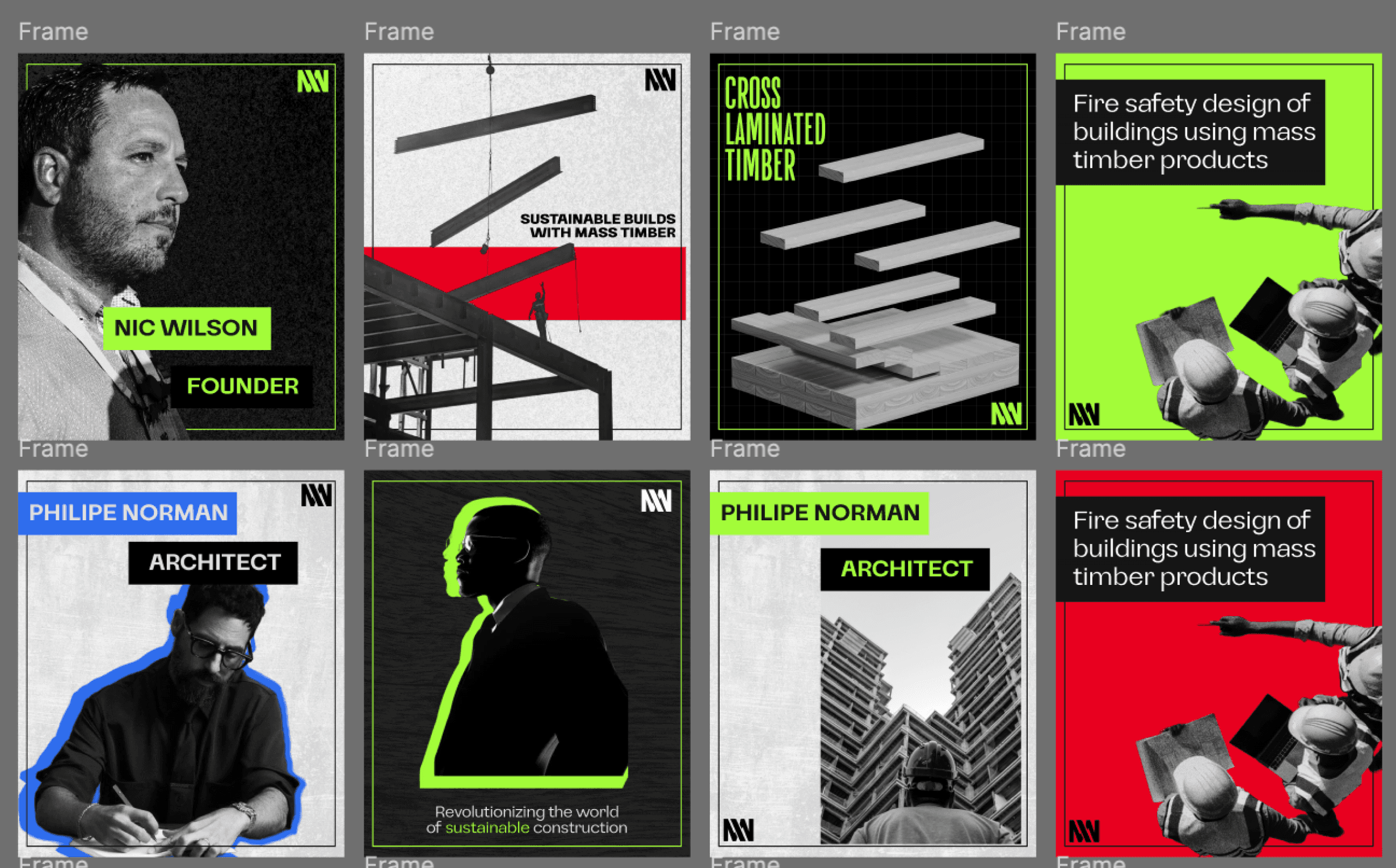
A core goal of this exercise was to ensure that any new designer could use the guideline to create consistent, on-brand work without additional context. To support this, the system is intuitive, well-documented, and example-driven. I’ve since applied the same framework across two individual brands and two companies, tailoring each identity while maintaining structural consistency. Each guide includes sample social media posts to show how the rules translate into real, repeatable outputs.
Research and Discovery
I began by researching what makes an effective brand guideline and how it’s actually used in practice. I reviewed a range of existing brand books (from startups to established companies) to understand what content was essential, what was often missing, and where guidelines tend to break down in real-world use.
I also considered the end users, designers, marketers, and content creators—to identify what information they need to work independently and avoid misinterpretation. This research helped me uncover patterns in structure, clarity, and examples, which directly informed the layout and modular design of my template.
Defining the problem
Many brand guidelines look polished but aren’t designed for real-world use—they assume prior context, lack actionable rules, or fail to demonstrate application across channels. As a result, teams often struggle to maintain consistency, and designers spend extra time interpreting ambiguous instructions.
The challenge became clear: how might I design a system that ensures any designer can execute consistent, on-brand work independently, while still allowing flexibility for different brand personalities? Addressing this problem meant creating a template that was both comprehensive and intuitive, reducing reliance on the original designer and supporting long-term scalability.
Goals and Success metrics
I defined the following objectives for the template:
Enable new designers to create consistent brand outputs independently
Translate brand strategy into clear, actionable standards
Balance structure with flexibility for different brand personalities
Provide applied examples to validate proper usage
Success was measured by whether the template could be reused across multiple clients while producing distinct, on-brand outcomes with minimal oversight.
System design and Structure
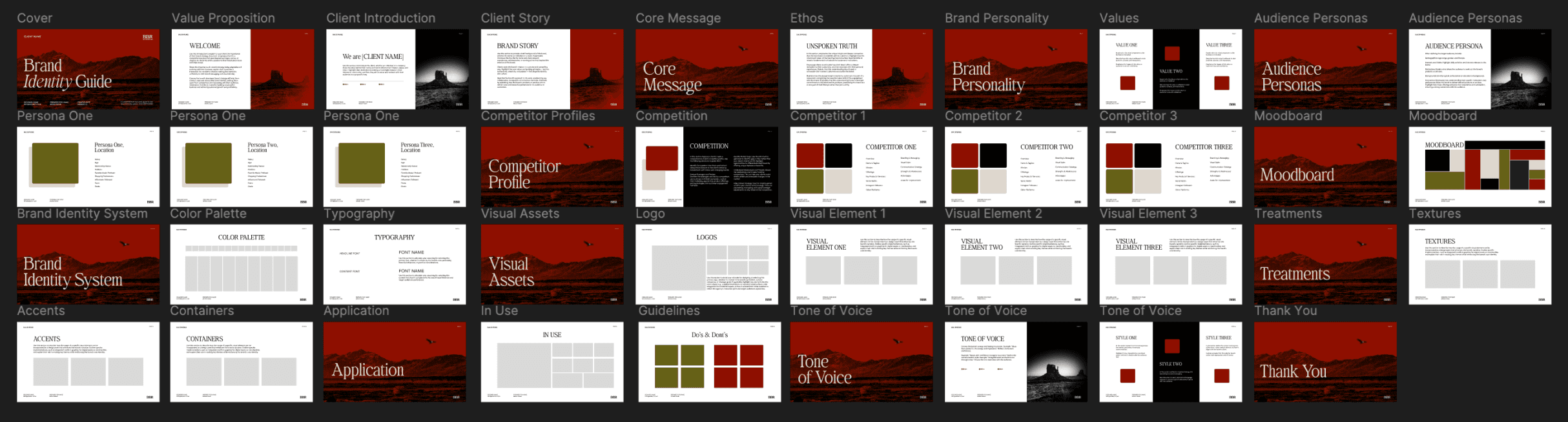
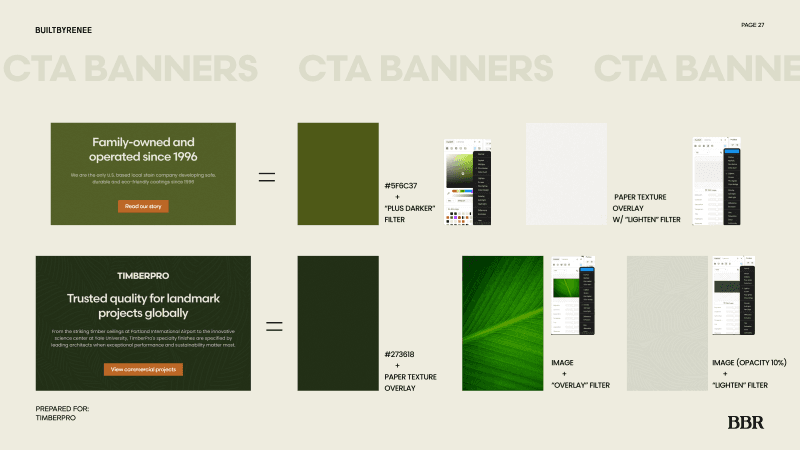
I designed the template as a modular, scalable system rather than a static document. Each section—logos, typography, color palettes, and tone of voice—follows a consistent structure, allowing designers to quickly reference rules and understand application. Beyond these typical visual elements, I also included sections introducing the client’s brand, brand mission, core message, and brand values, creating a more holistic understanding of the brand and its purpose.
Information hierarchy and clarity were prioritized. Each rule is paired with rationale and visual examples, ensuring designers understand not just what to do but why, reducing errors and iteration during execution. This combination of strategic context and actionable guidelines helps teams consistently translate brand strategy into practical, on-brand outputs.
Implementation and Validation
To validate the system, I applied it across four clients—two individual brands and two companies. Each required tailoring visual and verbal identity while maintaining the underlying framework. I also produced sample social media posts for each brand to demonstrate real-world application and ensure consistency across platforms. This served as a practical test of the system’s effectiveness and its ability to support adoption across teams.
Because this guideline template was created for a design firm and for clients who may not be ready to share their branding publicly, the full brand guides are not included in this portfolio. However, I’m happy to walk through the complete system, decision-making process, and client applications if needed.
Future Considerations
This template was intentionally designed as a brand’s first comprehensive guideline—a starting point that establishes clarity and consistency early on. As companies grow, expand teams, or introduce new touchpoints, the guideline can evolve into a more detailed system that supports increased complexity.
Future iterations could include expanded guidance for additional channels and use cases, such as marketing campaigns, paid media, email design, presentations, and product interfaces. More detailed rules around accessibility, motion and animation, illustration or iconography styles, photography direction, and content hierarchy could also be added as the brand matures. For larger teams, the system could extend into component-level documentation, usage do’s and don’ts, governance models, and versioning to support long-term brand stewardship.
This approach allows the guideline to scale alongside the business—starting lightweight and becoming more robust as the brand’s needs grow.
If I owned this long-term: I would evolve the guideline into a living brand system by expanding channel-specific rules, introducing accessibility and governance standards, and continuously refining documentation based on team feedback and real-world use.

