
BACKGROUND
MENSWEAR BRAND:
BRAND REFRESH & WEBSITE DESIGN
I contributed to the early visual and experiential direction of an e-commerce website for a menswear brand by translating brand inputs into moodboards and a cohesive stylescape that informed the foundation of the site’s design language. Working closely with another designer, I gathered and interpreted the brand’s identity, tone, and references, and distilled them into a visual system that guided the initial website concept.
The first version of the website was designed by my collaborator, guided by the visual direction established in the stylescape.I then iterated on the design through multiple rounds of client feedback, refining layouts, hierarchy, and visual details to better align the experience with the brand’s intent and user expectations. This process required balancing aesthetic direction with usability and clarity, while maintaining consistency with the original visual framework.
Because the website has not yet launched and out of respect for my client/collaborator’s work, the website design is not included in this portfolio. I’m happy to share more about the final design in conversation.
This project highlights my ability to translate abstract brand inputs into tangible visual direction, collaborate within a design workflow, and evolve a digital experience through structured iteration and client feedback.

Defining the visual direction
I translated an extensive brand and audience brief into a visual foundation for the website. The brand aimed to position itself as an upscale, avant-garde menswear label for high-net-worth, time-conscious professionals—refined, confident, and “just different enough.” The tone was likened to an Aston Martin: classic, performance-driven, and experimental within the bounds of taste.
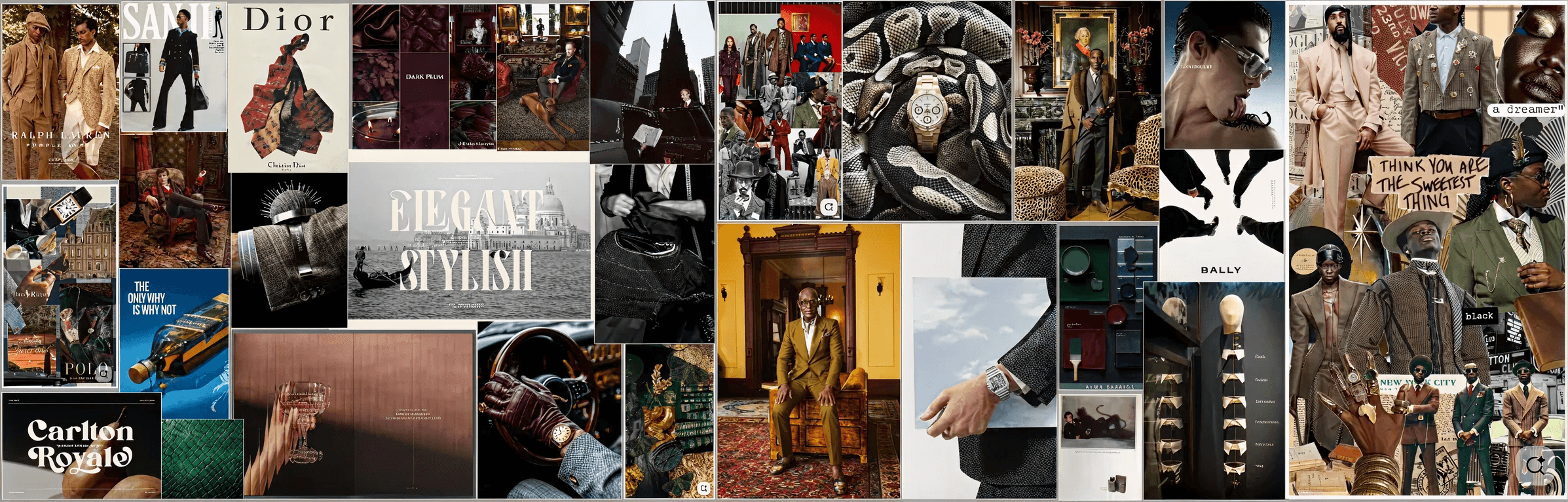
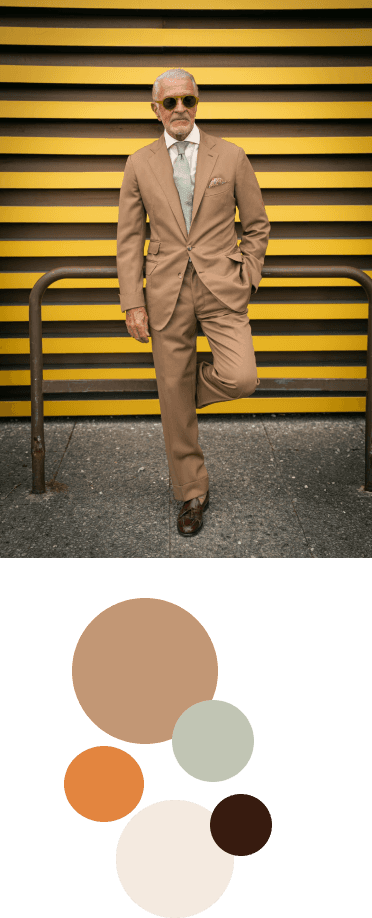
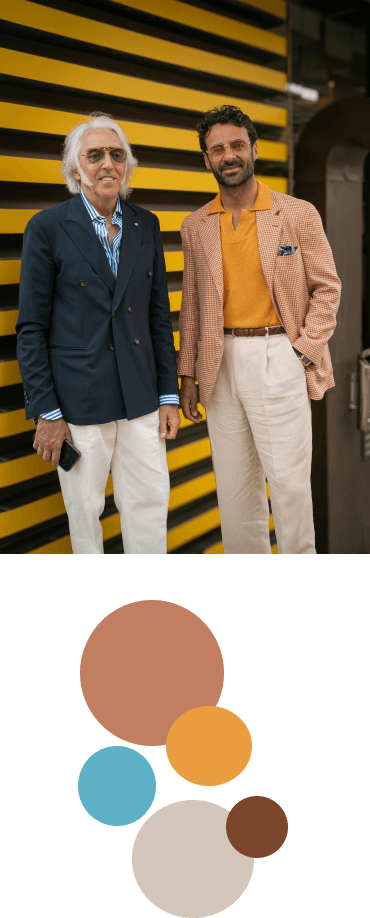
I began with moodboards to explore how luxury, craftsmanship, and subtle boldness could coexist. Drawing from high-end menswear editorials, automotive luxury, architectural materials, and distinctive typography, I tested how far the “sophisticated rebel” personality could be pushed without losing restraint.
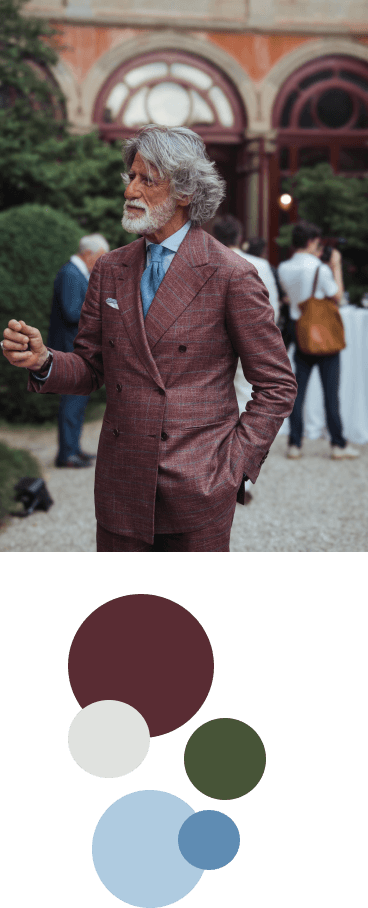
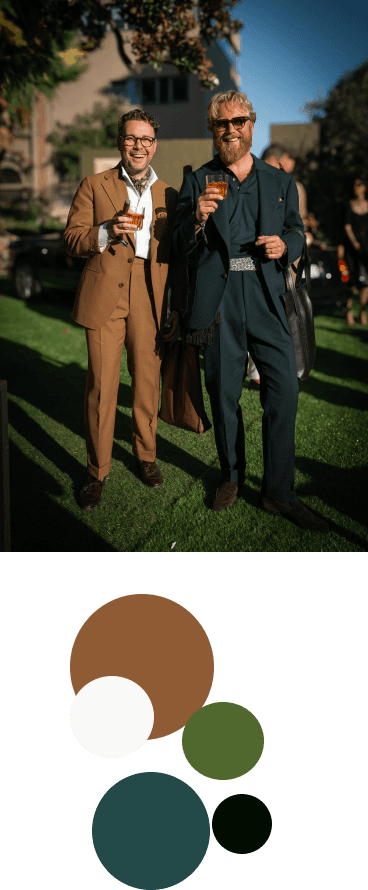
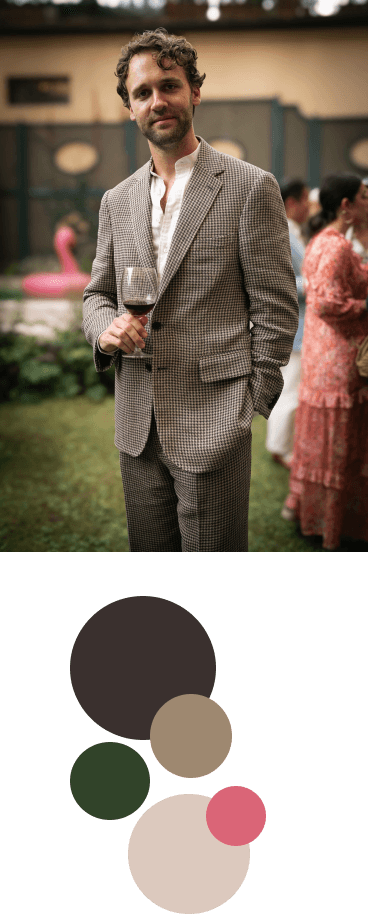
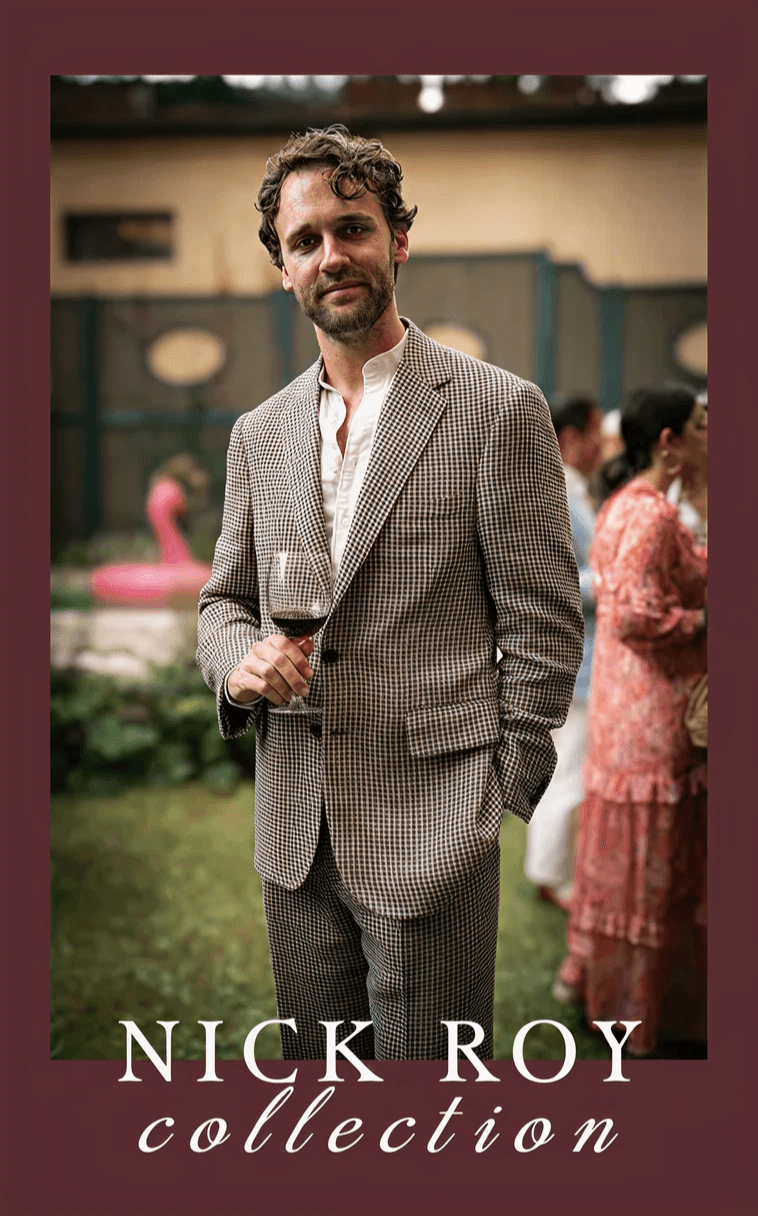
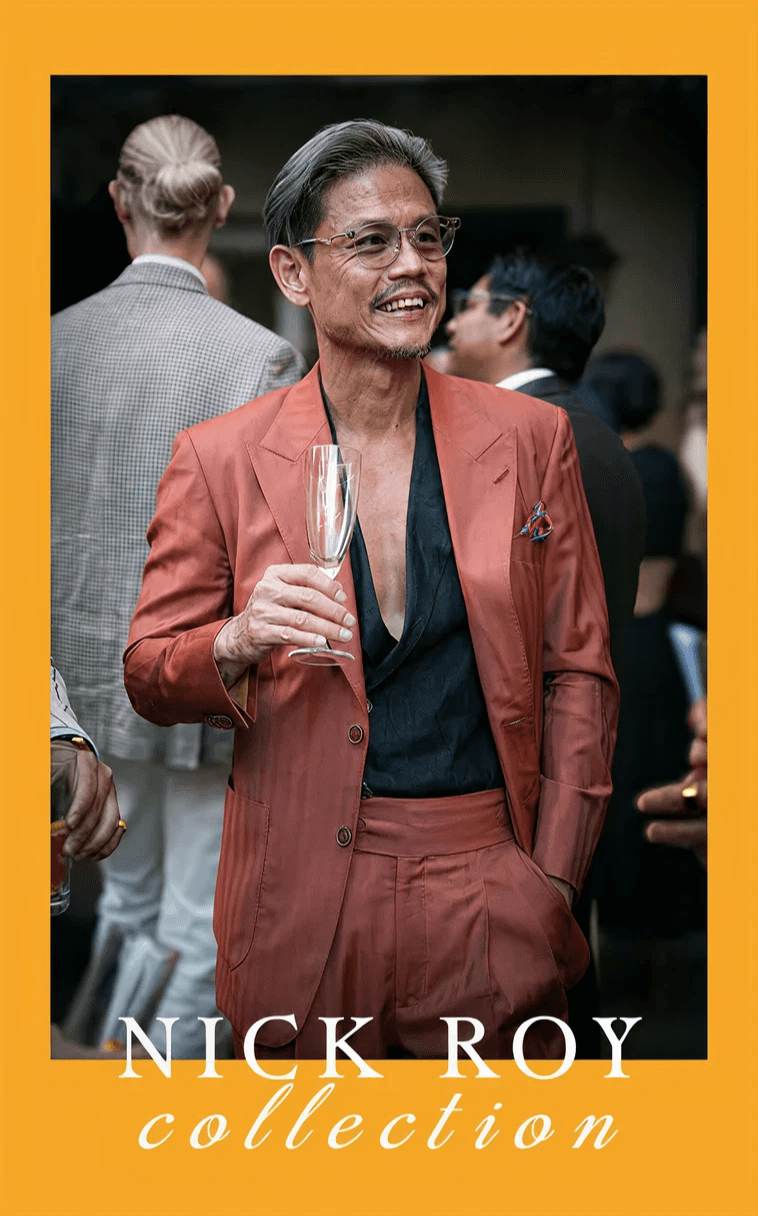
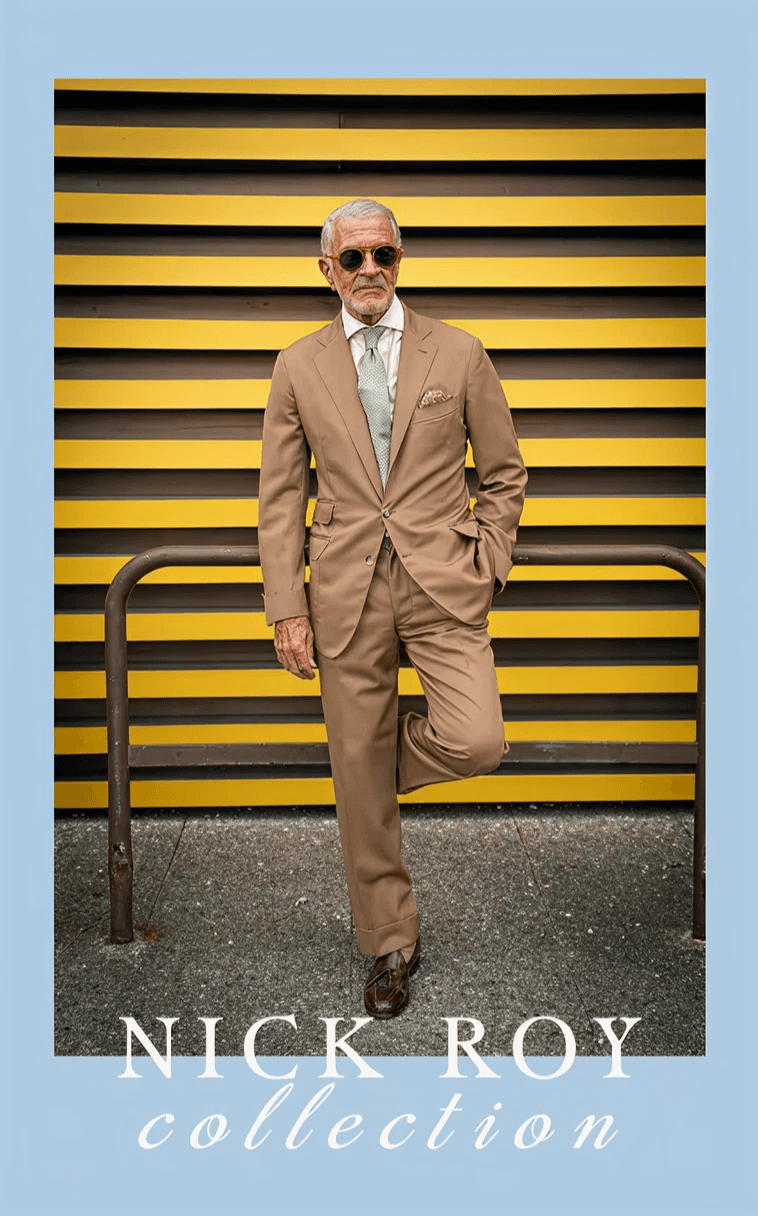
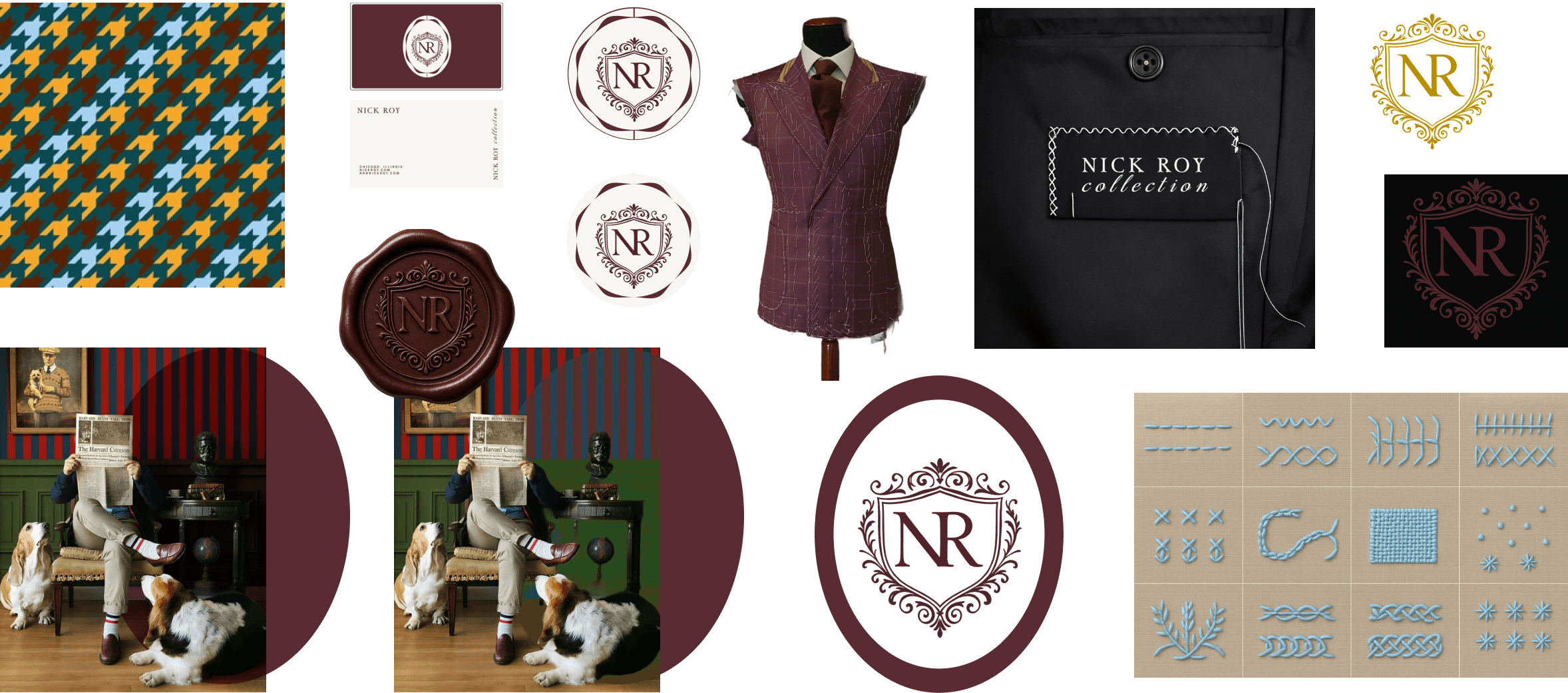
These explorations were distilled into a stylescape that defined typographic direction, color palette, photography style, and overall tone. The stylescape translated abstract brand qualities into practical visual rules and became the reference point for the initial website design and all subsequent iterations.


Stylescape in practice
My collaborator used the stylescape as the visual foundation for the first version of the website, carrying forward its core elements—typography, color relationships, photography direction, and the image-collage treatment that added depth and editorial character to the layouts.
As the project progressed, the client refined the brand to introduce a line of athleisure wear, shifting the tone slightly toward a more playful, energetic expression while remaining upscale and avant-garde. This prompted a subtle pivot in the creative direction. While the overall palette established in the stylescape remained, the original maroon and olive tones were replaced with brighter red and green accents to introduce a more vibrant, contemporary feel.
At the same time, the design direction evolved to be cleaner and more modern, moving away from some of the ornate visual details explored in the stylescape. The result was a first draft that stayed rooted in the original visual system while adapting to the brand’s updated personality and product direction.
Key takeaways
The website has not yet launched, so I’m intentionally not sharing the final designs here. I’m happy to walk through the completed work, iterations, and outcomes in conversation.
This project was my first deep dive into e-commerce and my first time leading visual direction through the creation of a stylescape. While moodboards are useful for gathering inspiration, a stylescape requires a higher level of synthesis and decision-making—it translates references into a cohesive visual system with clear rules for typography, color, imagery, and tone that others can reliably design from. Creating it pushed me to think beyond aesthetics and define practical design guidance.
The project also strengthened my visual and graphic design skills beyond interface work. I contributed to logo exploration and supporting brand materials such as business cards, which helped me understand how digital experience, brand identity, and physical touchpoints must work together.
Overall, this experience expanded my understanding of brand building in a more holistic sense—how strategy, visual direction, and execution connect across mediums to create a consistent, elevated brand presence.

